Unlocking Creativity with Robotics and AI Education

In today's rapidly evolving world, the integration of robotics and artificial intelligence (AI) into education is not just a trend; it is a necessity. As technology continues to shape our lives, fostering creativity through these fields is essential for preparing students for future challenges. This blog post explores how robotics and AI education can unlock creativity, enhance problem-solving skills, and prepare students for a tech-driven future.
The Importance of Creativity in Education
Creativity is often seen as a soft skill, but it is crucial for innovation and problem-solving. In an age where automation and AI are becoming commonplace, the ability to think creatively is what sets individuals apart. Here are some reasons why creativity is vital in education:
Problem-Solving: Creative thinkers can approach problems from various angles, leading to innovative solutions.
Adaptability: In a world of constant change, creative individuals can adapt their thinking and strategies to new situations.
Collaboration: Creativity often flourishes in collaborative environments, where diverse ideas can merge to create something new.
By integrating robotics and AI into the curriculum, educators can cultivate these essential skills in students.
How Robotics and AI Foster Creativity
Hands-On Learning Experiences
Robotics education provides students with hands-on experiences that encourage exploration and experimentation. Building and programming robots allows students to engage in active learning, where they can see the immediate results of their efforts. This process fosters creativity in several ways:
Trial and Error: Students learn that failure is a part of the learning process. They can experiment with different designs and programming techniques, leading to innovative solutions.
Customization: Robotics projects often allow for personalization. Students can modify their robots to perform specific tasks, encouraging them to think creatively about design and functionality.
Interdisciplinary Learning
Robotics and AI education often intersect with various subjects, including mathematics, science, and art. This interdisciplinary approach encourages students to draw connections between different fields, enhancing their creative thinking. For example:
Mathematics: Programming a robot requires an understanding of algorithms and logic, which can make math more engaging and applicable.
Science: Students can explore concepts like physics and engineering while building robots, making scientific principles tangible and exciting.
Art: Designing a robot can involve artistic elements, allowing students to express their creativity visually.
Real-World Applications
Integrating robotics and AI into education helps students understand the real-world applications of their learning. When students see how their skills can be used to solve actual problems, it ignites their creativity. For instance:
Community Projects: Students can work on projects that address local issues, such as creating robots to assist in environmental clean-up efforts.
Competitions: Robotics competitions encourage students to innovate and think outside the box to outperform their peers.
Case Studies: Successful Robotics and AI Programs
FIRST Robotics
The FIRST Robotics program is a global initiative that engages students in designing and building robots to compete in various challenges. This program emphasizes teamwork, creativity, and problem-solving. Students learn to collaborate, think critically, and apply their knowledge in practical ways. Many participants report increased interest in STEM fields and enhanced creative thinking skills.
VEX Robotics
VEX Robotics offers a comprehensive educational platform that combines robotics with coding and engineering principles. Schools that implement VEX Robotics often see students developing a passion for technology and innovation. The program encourages students to design their robots, fostering creativity and critical thinking.
Challenges in Implementing Robotics and AI Education
While the benefits of robotics and AI education are clear, there are challenges to consider:
Resource Availability: Not all schools have access to the necessary technology and materials for robotics education. Funding and support are crucial for successful implementation.
Teacher Training: Educators need proper training to effectively teach robotics and AI concepts. Professional development opportunities can help teachers feel more confident in their abilities.
Curriculum Integration: Finding ways to integrate robotics and AI into existing curricula can be challenging. Schools must be willing to adapt and innovate to make these subjects a priority.
Strategies for Successful Implementation
To overcome these challenges, schools can adopt several strategies:
Partner with Local Organizations
Collaborating with local businesses, universities, and organizations can provide schools with resources, expertise, and funding. These partnerships can enhance robotics and AI programs and create opportunities for students to engage with professionals in the field.
Provide Professional Development for Educators
Investing in teacher training is essential for the success of robotics and AI education. Schools should offer workshops and resources to help educators develop their skills and confidence in teaching these subjects.
Foster a Culture of Innovation
Encouraging a culture of innovation within schools can inspire both students and teachers to embrace robotics and AI education. Schools can host events, competitions, and showcases to celebrate creativity and technological achievements.
The Future of Robotics and AI in Education
As technology continues to advance, the role of robotics and AI in education will only grow. Schools must adapt to these changes and prepare students for a future where creativity and technology go hand in hand. Here are some trends to watch for:
Increased Accessibility: As technology becomes more affordable, more schools will have access to robotics and AI resources.
Personalized Learning: AI can help tailor educational experiences to individual students, allowing them to learn at their own pace and style.
Global Collaboration: Online platforms will enable students from different parts of the world to collaborate on robotics projects, fostering creativity and cultural exchange.
Conclusion
Integrating robotics and AI education into the curriculum is essential for unlocking creativity in students. By providing hands-on learning experiences, fostering interdisciplinary connections, and addressing real-world challenges, educators can cultivate the skills necessary for success in a tech-driven future. As we embrace these changes, we must continue to support and invest in innovative educational practices that inspire the next generation of creative thinkers.
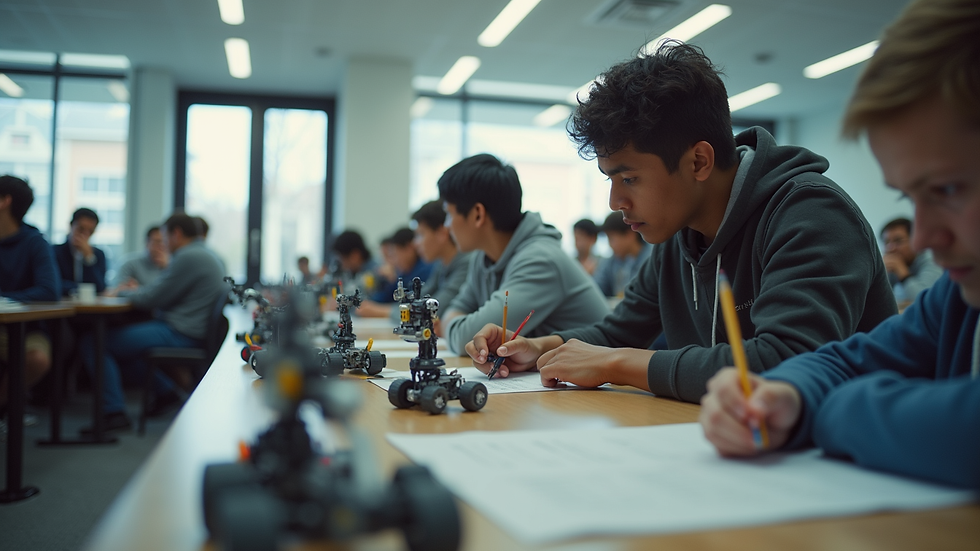
The journey towards a creative and technologically adept future begins with education. Let’s embrace the potential of robotics and AI to inspire and empower our students.
Comments